Exactly How Aluminum Foundry Contributes to Innovative Solutions in Steel Construction
Aluminum shops substantially affect the landscape of steel manufacture. They embrace advanced casting methods that improve accuracy and layout flexibility. This capacity enables for the manufacturing of lightweight and resilient elements that deal with diverse market needs. Moreover, the assimilation of automation and lasting practices sets a criteria for effectiveness. As these factories evolve, they question regarding the future of manufacturing and the function of technology in shaping the market.
The Function of Aluminum Foundries in Modern Manufacturing
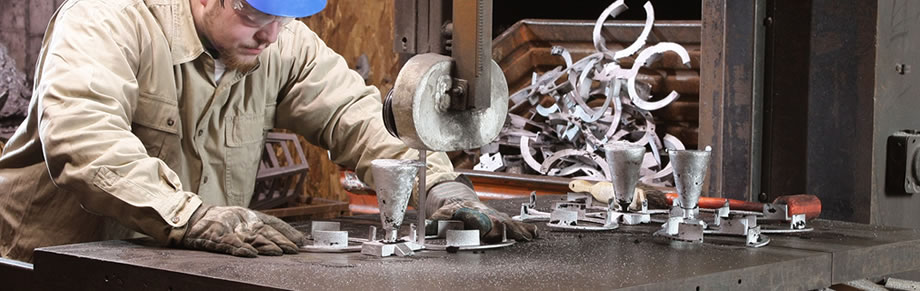
Aluminum foundries play an essential function in contemporary production, adding substantially to different markets, consisting of automotive, aerospace, and durable goods. These centers concentrate on the melting and spreading of aluminum, transforming raw materials into high-quality elements that satisfy rigid sector criteria. The light-weight yet solid homes of Aluminum make it an excellent selection for manufacturers aiming to enhance performance while decreasing weight, especially in the vehicle market, where gas performance is extremely important.
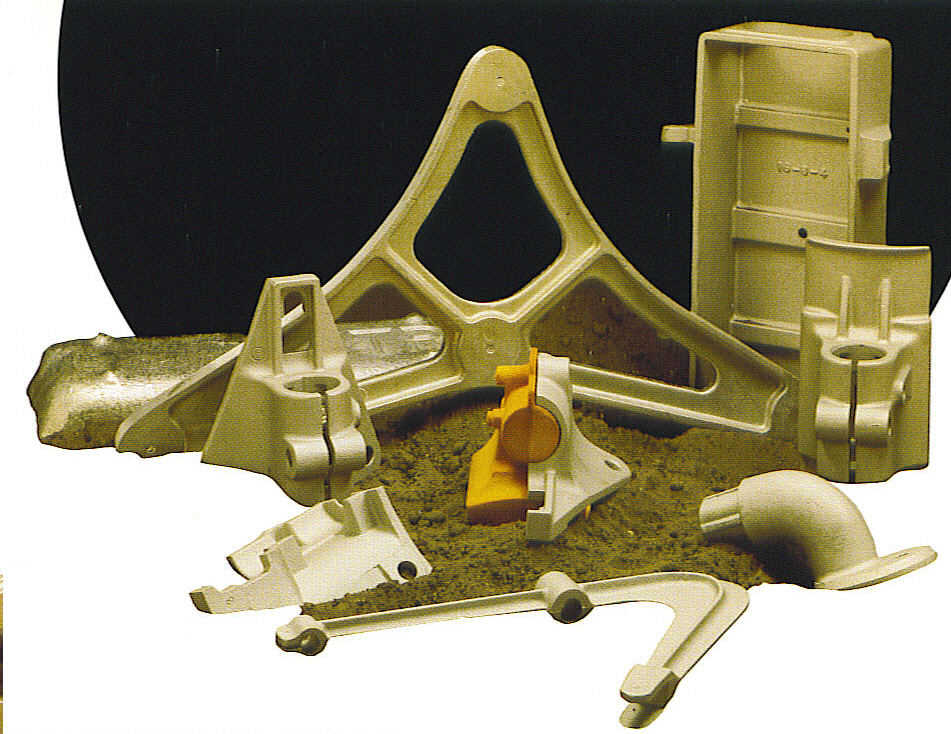
Light weight aluminum foundries make use of cutting-edge procedures to create complicated shapes and designs that provide to details market needs. By leveraging sophisticated innovations such as computer-aided design and simulation, these foundries can maximize their manufacturing procedures and enhance material utilization. This not just boosts the high quality of the final items yet also decreases waste, adding to even more lasting manufacturing techniques. Eventually, the payments of Aluminum foundries are essential for driving innovation and performance throughout numerous industries.
Advanced Casting Techniques Changing Metal Construction
Advanced spreading strategies are reinventing the field of steel construction, specifically with precision spreading techniques that boost accuracy and reduce waste. Ingenious alloy developments are additionally playing an important duty, enabling for tailored properties and enhanced efficiency in different applications. With each other, these advancements are establishing new criteria in efficiency and top quality within Aluminum foundries.
Accuracy Spreading Techniques
As the need for high-quality elements in numerous sectors continues to climb, accuracy spreading techniques have actually emerged as a transformative force in metal manufacture. These techniques, including investment spreading, lost foam casting, and pass away spreading, permit elaborate geometries and limited resistances that conventional approaches frequently have a hard time to attain. By utilizing sophisticated products and modern technologies, accuracy spreading minimizes waste and improves effectiveness, making it possible for suppliers to produce complicated components with lowered preparations. Additionally, these methods offer remarkable surface area coatings and mechanical residential or commercial properties, making them suitable for sectors such as aerospace, auto, and clinical tools. As suppliers significantly take on precision casting, the capability to satisfy particular style requirements while maintaining cost-effectiveness becomes a critical advantage in today's open market.
Innovative Alloy Developments
Innovative alloy developments are improving the landscape of steel construction, especially within the domain of precision casting. Advancements in material science have resulted in the creation of specialized Aluminum alloys that enhance strength, resistance, and resilience to deterioration. These unique alloys allow shops to produce intricate parts with enhanced mechanical residential properties, dealing with varied markets such as aerospace, automobile, and electronic devices. The consolidation of advanced spreading methods, consisting of die casting and sand spreading, additional optimizes making use of these materials, enabling complicated geometries and decreased waste. Because of this, producers are much better furnished to meet rigid performance requirements while reducing environmental effect. Inevitably, these ingenious alloys are leading the way for a brand-new age of performance and sustainability in metal manufacture.
Resilient and light-weight: The Advantages of Aluminum Parts
Aluminum parts offer considerable benefits in numerous applications due to their lightweight nature and resilience. This mix adds to enhanced fuel performance, particularly in the aerospace and vehicle markets. In addition, light weight aluminum's fundamental rust resistance additionally expands the life-span of items, making it a favored option in several metal construction processes.
Enhanced Fuel Performance
While traditional materials have long been the requirement in different markets, the change towards Aluminum components is reinventing the landscape of steel manufacture, specifically in connection with enhanced fuel efficiency. Light weight aluminum's light-weight nature notably minimizes the total weight of vehicles and machinery, permitting improved performance and decreased energy intake. This decrease in weight converts straight to reduced gas consumption, making Aluminum an appealing choice for makers aiming to satisfy rigid ecological regulations. Additionally, light weight aluminum's durability guarantees that elements keep their integrity over time, adding to lasting effectiveness. As markets significantly focus on sustainability, the fostering of Aluminum elements ends up being a critical selection, lining up operational her explanation objectives with ecological duty while improving fuel performance in numerous applications.
Deterioration Resistance Conveniences
One of the standout attributes of Aluminum elements is their exceptional deterioration resistance, which greatly boosts the durability and reliability of numerous applications. This building is especially helpful in extreme environments, such as commercial and aquatic settings, where direct exposure to moisture and chemicals can bring about considerable deterioration in other steels. Unlike steel, Aluminum normally creates a protective oxide layer that works as a barrier versus ecological elements, decreasing the danger of rust and deterioration. Consequently, Aluminum parts require much less upkeep and have a longer service life, making them a cost-efficient option for suppliers. This fundamental durability not only contributes to the general efficiency of products however additionally supports sustainability efforts by minimizing the need for frequent substitutes.
Technologies in Design and Engineering With Aluminum Foundries
As innovations in Aluminum Foundry technology continue to improve the landscape of steel manufacture, innovative style and design remedies are arising to meet the demands of diverse markets. The adaptability of Aluminum enables intricate designs that were formerly unattainable with traditional materials. Foundries are leveraging computer-aided design (CAD) software application and simulation tools to enhance the style procedure, making it possible for designers to develop light-weight yet durable parts customized to details applications.
The ability to include innovative alloying strategies allows the personalization of Aluminum buildings, boosting toughness and longevity. This adaptability cultivates creative thinking in item advancement, allowing companies to experiment with brand-new shapes and frameworks that enhance performance while decreasing weight. Collaborative initiatives in between shops and developers help with quick prototyping, bring about much shorter project timelines and boosted overall effectiveness. These technologies not only improve item performance however additionally drive sustainability by minimizing material waste throughout the fabrication procedure.
Enhancing Effectiveness With State-Of-The-Art Technology
Innovations in advanced technology are changing the effectiveness of Aluminum shops, enhancing processes from style to production. Automation plays an essential role, with robot systems enhancing the rate and precision of jobs such as molding, pouring, and completing. These automated solutions lessen human error and minimize labor prices, while likewise raising output uniformity.
Additionally, link the combination of innovative software for computer-aided style (CAD) and simulation permits fast prototyping and screening, quickening the shift from idea to manufacturing. Foundries are using real-time information analytics to monitor operations, making sure peak efficiency and reducing downtime.
3D printing modern technology is being adopted for creating complicated mold and mildews and elements, minimizing product waste and lead times. The combination of these innovative innovations not just enhances productivity but likewise improves the high quality of Aluminum items, placing shops at the leading edge of advancement in steel manufacture.
Lasting Practices in Aluminum Foundries
An expanding number of Aluminum factories are embracing lasting methods to minimize their ecological effect and promote source performance. Wisconsin Aluminum Foundry. These foundries are significantly executing reusing programs, where scrap Aluminum is accumulated and recycled, considerably lessening waste. Additionally, more info here energy-efficient modern technologies, such as electric furnaces and advanced insulation products, are being utilized to reduced power consumption throughout the melting procedure
Water conservation methods are additionally acquiring traction, with many shops recycling water in cooling systems to decrease general usage. Furthermore, the fostering of environment-friendly layers and ingredients lessens dangerous discharges without compromising item high quality.
Future Fads in Aluminum Spreading and Metalworking
Significantly, the future of Aluminum spreading and metalworking is being formed by technical advancements and developing sector requirements. Advancements in automation and robotics are simplifying processes, boosting precision, and minimizing labor prices. The adoption of additive manufacturing techniques, such as 3D printing, is transforming standard spreading methods, permitting for intricate geometries and lowered material waste.
In addition, the combination of expert system and information analytics is allowing real-time tracking and anticipating maintenance, which enhances manufacturing efficiency. Sustainability continues to be a core focus, with business purchasing environmentally friendly methods, consisting of the recycling of Aluminum scrap and making use of renewable energy resources in manufacturing.
As the demand for light-weight, durable products in various markets increases, Aluminum foundries have to adjust by boosting and creating cutting-edge alloys spreading techniques. These trends jointly indicate a future where Aluminum casting and metalworking are a lot more effective, lasting, and receptive to market demands.
Often Asked Concerns
What Kinds Of Aluminum Alloys Are Typically Utilized in Foundries?
Frequently used Aluminum alloys in shops include 2xxx collection (copper), 3xxx series (manganese), 4xxx collection (silicon), 5xxx series (magnesium), and 6xxx collection (magnesium and silicon), each offering unique residential properties ideal for various applications.
Exactly How Does Aluminum Casting Compare to Other Steel Manufacture Techniques?
Aluminum casting offers benefits such as lower manufacturing costs and complex shapes compared to traditional construction methods. It offers outstanding dimensional accuracy and surface area coating, making it a favored choice for several industries over alternatives like machining or welding.
What Safety Procedures Are Carried Out in Aluminum Foundries?
Aluminum foundries apply different safety actions, consisting of individual protective tools, air flow systems, regular safety training, danger analyses, and emergency methods to secure employees from dangers connected with liquified metal, warm, and prospective chemical direct exposure. Aluminum Foundry.
How Can Business Find Trusted Aluminum Foundry Partners?
Business can determine reliable Aluminum Foundry partners by assessing industry online reputation, reviewing client endorsements, evaluating quality certifications, taking into consideration manufacturing capacities, and conducting site sees to assure positioning with their particular requirements and requirements.
What Is the Common Lead Time for Aluminum Casting Projects?
The typical lead time for Aluminum spreading tasks varies from two to eight weeks, depending on aspects such as design intricacy, production volume, and the foundry's ability to satisfy specific job demands and timelines.
Aluminum foundries play a necessary role in modern production, contributing considerably to various markets, consisting of automotive, aerospace, and consumer goods. As innovations in Aluminum Foundry modern technology continue to improve the landscape of metal fabrication, innovative layout and engineering remedies are emerging to fulfill the demands of varied markets. Advancements in modern innovation are transforming the efficiency of Aluminum foundries, simplifying procedures from design to manufacturing (Aluminum Foundry). An expanding number of Aluminum shops are embracing lasting practices to lower their ecological effect and promote source efficiency. As the demand for light-weight, resilient products in various industries boosts, Aluminum shops should adjust by enhancing and establishing cutting-edge alloys casting methods
Comments on “Understanding the material properties of Aluminum Castings and their benefits”